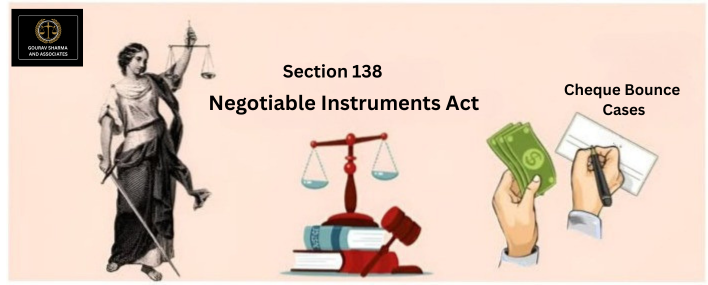
Cheque bounce cases are among the most common financial disputes in India. When a cheque issued by a person is dishonoured due to insufficient funds or other reasons, it can lead to legal consequences. In such situations, consulting a Cheque Bounce Matter Lawyer in Delhi becomes essential to understand your rights and take appropriate legal action.
What is a Cheque Bounce Case?
A cheque bounce occurs when a bank refuses to process a cheque due to reasons like insufficient balance, signature mismatch, or account closure. Under Indian law, cheque dishonour is not just a financial issue but also a criminal offence. Seeking guidance from a Best Bounce Matter Lawyer in Delhi can help individuals navigate the legal process effectively.
Understanding Section 138 of the NI Act
Section 138 of the Negotiable Instruments Act, 1881, deals specifically with cheque bounce cases. It provides legal protection to the payee and ensures accountability of the drawer. If a cheque is dishonoured due to insufficient funds, the issuer can face legal action. A Cheque Bounce Matter Lawyer in Delhi can guide you through the legal provisions and ensure proper compliance with the law.
Essential Conditions for Filing a Case
To file a case under Section 138, certain conditions must be fulfilled. The cheque must be presented within its validity period, and the bank must return it unpaid. The payee must send a legal notice within 30 days of receiving the cheque return memo. If the drawer fails to make payment within 15 days, legal proceedings can be initiated with the help of a Best Bounce Matter Lawyer in Delhi.
Legal Procedure for Cheque Bounce Cases
The legal process begins with sending a demand notice to the cheque issuer. If payment is not made, a complaint can be filed in court within the prescribed time limit. The court then examines the case and may summon the accused. Proper documentation and legal representation by a Cheque Bounce Matter Lawyer in Delhi play a crucial role in ensuring a strong case.
Penalty and Punishment
Under Section 138, the accused may face imprisonment of up to two years, a monetary fine, or both. The fine can extend up to twice the cheque amount. Courts may also allow settlement between parties. Consulting a Best Bounce Matter Lawyer in Delhi can help you understand the possible outcomes and choose the best course of action.
Common Reasons for Cheque Bounce
- Insufficient funds
- Signature mismatch
- Overwriting on cheque
- Account closure
Understanding these causes can help individuals avoid legal complications. A Cheque Bounce Matter Lawyer in Delhi can also provide preventive advice to minimize risks.
Importance of Legal Notice
Sending a legal notice is a mandatory step before filing a case under Section 138. It informs the drawer about the dishonour and provides an opportunity to make the payment. Failure to respond within the given time frame strengthens the case for the complainant. A Best Bounce Matter Lawyer in Delhi ensures that the notice is drafted correctly and sent within the legal timeline.
How to Avoid Cheque Bounce Issues
- Maintain sufficient balance
- Verify cheque details before issuing
- Avoid unnecessary post-dated cheques
- Keep proper transaction records
Taking advice from a Cheque Bounce Matter Lawyer in Delhi can help in adopting safe financial practices.
Conclusion
Cheque bounce cases under Section 138 of the NI Act are serious legal matters that require timely action and proper understanding of the law. Whether you are filing a complaint or defending a case, professional legal support is crucial. Consulting a Best Bounce Matter Lawyer in Delhi ensures that your rights are protected and the case is handled efficiently.
Frequently Asked Questions
1. What is Section 138 of the NI Act?
It is a legal provision that deals with cheque bounce cases and provides penalties for dishonour due to insufficient funds.
2. What is the time limit to file a cheque bounce case?
A legal notice must be sent within 30 days, and the case should be filed within 30 days after the notice period ends.
3. Is cheque bounce a criminal offence?
Yes, under Section 138, cheque bounce is considered a criminal offence in India.
4. Can a cheque bounce case be settled?
Yes, both parties can mutually settle the matter at any stage of the case.
5. What are the penalties for cheque bounce?
The accused may face imprisonment up to two years, a fine, or both depending on the case.